
Kenya
Launch Date:
September 2021
Targeted Age:
18-34 Years
Managing Partner:
PROCASUR
Partner Organizations:
USTADI; CoELIB Egerton University; Pwani University; Shamberere Institute; and ILO Kenya.
No. of Beneficiaries
The project was designed to facilitate access to employment to 3,125 rural youth in Kenya.
Target Commodities:
Fresh vegetables, fruits, dairy, cassava, fisheries, groundnuts, livestock, green grams, and poultry; as well as the hospitality sector.
Project Location:
Nakuru, Kakamega and Kilifi Counties and other counties targeted by GIZ, ILO and IFAD projects.

Delivering Results: Project Approach, Operational Highlights & Progress
The project is being implemented by PROCASUR, the overall lead implementing agency, in collaboration with the Ustadi Foundation and the International Labour Organization (ILO) as the country lead implementing organizations. It operates through three hubs: CoELIB (main hub in Nakuru), Pwani University in Kilifi County, and Shamberere Technical Training Institute in Kakamega.
The implementation model fosters close interaction with various ecosystem actors, including the private sector, local governments, industry players, farming communities, youth organizations, financial institutions, and umbrella employer organizations such as the Agriculture Sector Network (ASNET) and the Federation of Kenya Employers (FKE).
The programme directly targets 1,250 youth aged 18-34 (875 for wage-employment and 375 for self-employment), with indirect beneficiaries totaling 1,875. It focuses on several value chains, especially in the self-employment pathway, including fresh vegetables, cereals, fruits, dairy, cassava, fisheries, groundnuts, livestock, green grams, and poultry. JOY also supports the creation of green jobs and the inclusion of persons with disabilities (PWDs) and works in adjacent sectors of these value chains. Additionally, the programme collaborates with existing in-country IFAD investments and GIZ projects, leveraging youth targeted in these interventions.
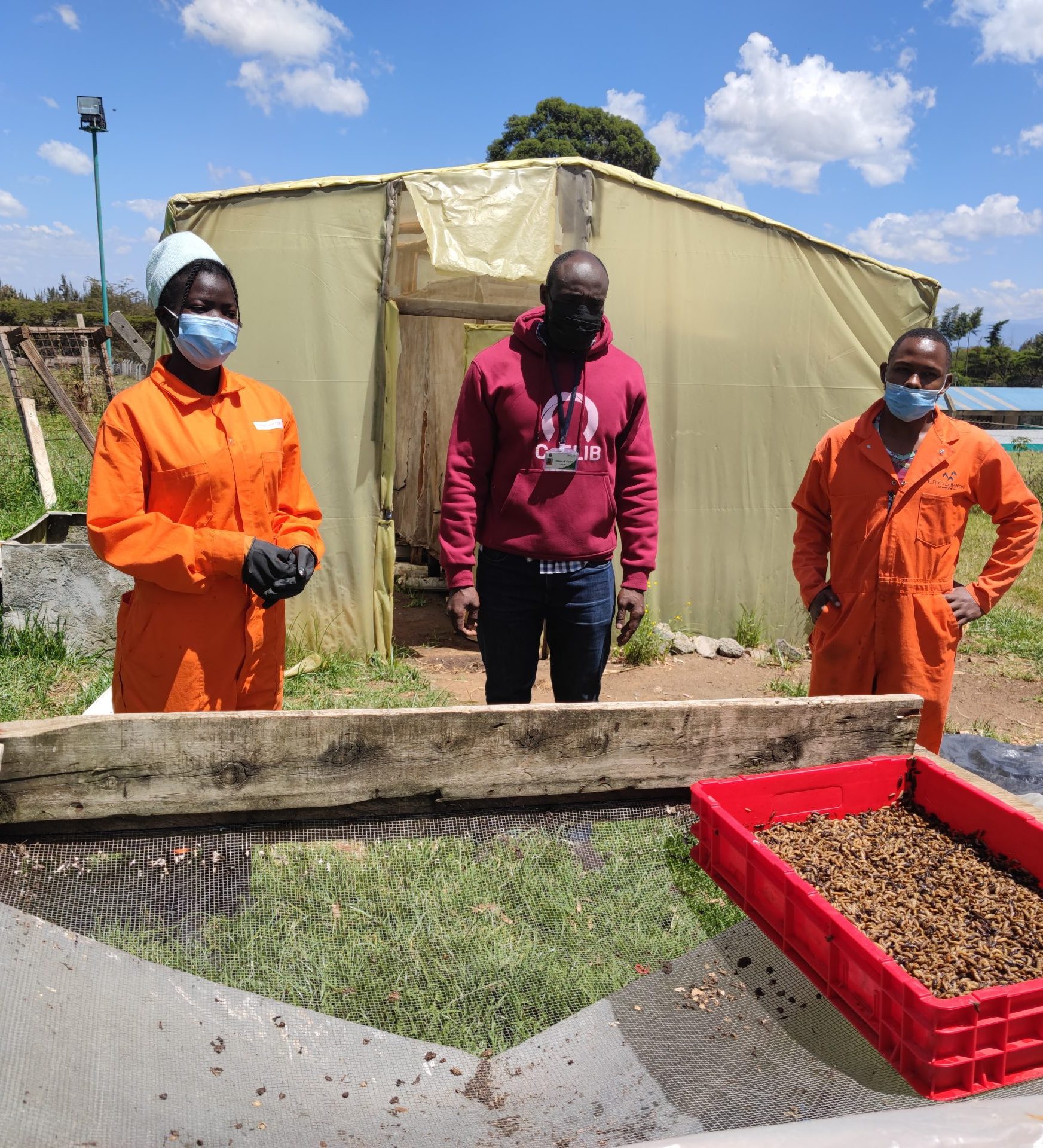
Approach
The project has successfully tapped into Kenya’s vibrant economic context, where youth are often un/underemployed. By establishing 64 partnerships with public and private entities interested in promoting youth employment, the project has created a robust ecosystem. This ecosystem allows various stakeholders to address common challenges collaboratively, such as helping employers find candidates with the required skillsets and equipping youth with these skills to access existing jobs. It also supports aspiring entrepreneurs in establishing viable micro-businesses and helping existing ones consolidate, expand, and become more profitable. Key features underpinning the project’s success include:
- Responsiveness: Ensuring interventions are responsive to the needs identified among employers and youth.
- Strong Partnership: Partnering with universities, technical training institutions, and umbrella bodies bringing together industry players and cooperatives.
- Leveraging Strengths: Capitalizing on the strengths and capacities of various entities providing youth upskilling services and promoting supportive partnerships between them.
- Hybrid Management: Strategically combining centralized and decentralized hub management approaches that equip key players to achieve high levels of performance and integrate approaches sustainably.
Operational Highlights
Key features underpinning project success include:
Employment Success: The project in Kenya has achieved notable success, with 1.665 youth accessing direct employment, surpassing direct employment targets by 141%. Of these, 74% have followed the wage employment track.
Focus on Younger Youth: Kenya has been particularly successful in finding employment solutions for younger youth (60%) due to its developed and flexible rural economy and high unemployment levels among this subset of youth. Notably, 64% of those accessing wage jobs have been younger youth, compared to 48% under the self-employment track. This achievement addresses a significant gap among younger youth who often lack employment opportunities.
Gender Diversity: Women represent 43% (724) of all youth employed to date, representing the 42% of those accessing jobs and 48% of those engaged in entrepreneurship with project support. Interestingly, 69% of women accessing employment have done so under the wage employment track. Although performance towards gender parity remains below the 50% target, substantial progress has been made through measures to enhance access and performance for women. The project will continue to explore employment opportunities for women and assess additional measures to support gender equality endeavors in the remaining duration of the project.
Targets and Progress
The project was designed to facilitate access to employment to 3,125 rural youth in Kenya. The table that follows depicts the project´s successful results to date:
|
|
Direct employment* |
Indirect employment** |
TOTAL |
||
|
Wage Employment |
Self-employment |
Total direct employment |
|||
|
Target |
875 |
375 |
1,250 |
1,875 |
3,125 |
|
Progress to date (Nov 2025) |
1.237 |
428 |
1.665 |
3,005 |
4,670 |
|
Progress to targets |
141% |
114% |
133% |
160% |
149% |
You’re Reading:
Join us in our mission
The hubs are a place where the ambitions and aspirations of rural young women and men meet the potential of rural economies. Adopting a unique holistic ecosystem approach, this model combines talent, technology, know-how and capital, allowing for enterprise